Your complete guide
Your Hair Transplant Journey
From your first phone call through to your final follow-up, here is exactly what happens at every stage — so you know what to expect before you walk through the door.
Your complete guide
From your first phone call through to your final follow-up, here is exactly what happens at every stage — so you know what to expect before you walk through the door.
What this page covers
A hair transplant is a considered decision, and we think you should have all the information before you make it. This page walks you through the entire process — from the moment you get in touch, through the clinical assessment, procedure day, aftercare and the months of new growth that follow.
☑ Every stage is designed so you feel informed and in control. There is no pressure at any point, and your doctor is available throughout the process to answer questions.
Your journey starts with a conversation. You can book a consultation online, call us on 0493 588 013 or send an email. If you prefer, you can also send through photos of your hair loss for an initial view before committing to an in-clinic visit.
This first step is free and carries no obligation. We simply want to understand what you are noticing, how it is affecting you and what you are hoping to achieve. That gives us the context to make the most of your in-clinic appointment.
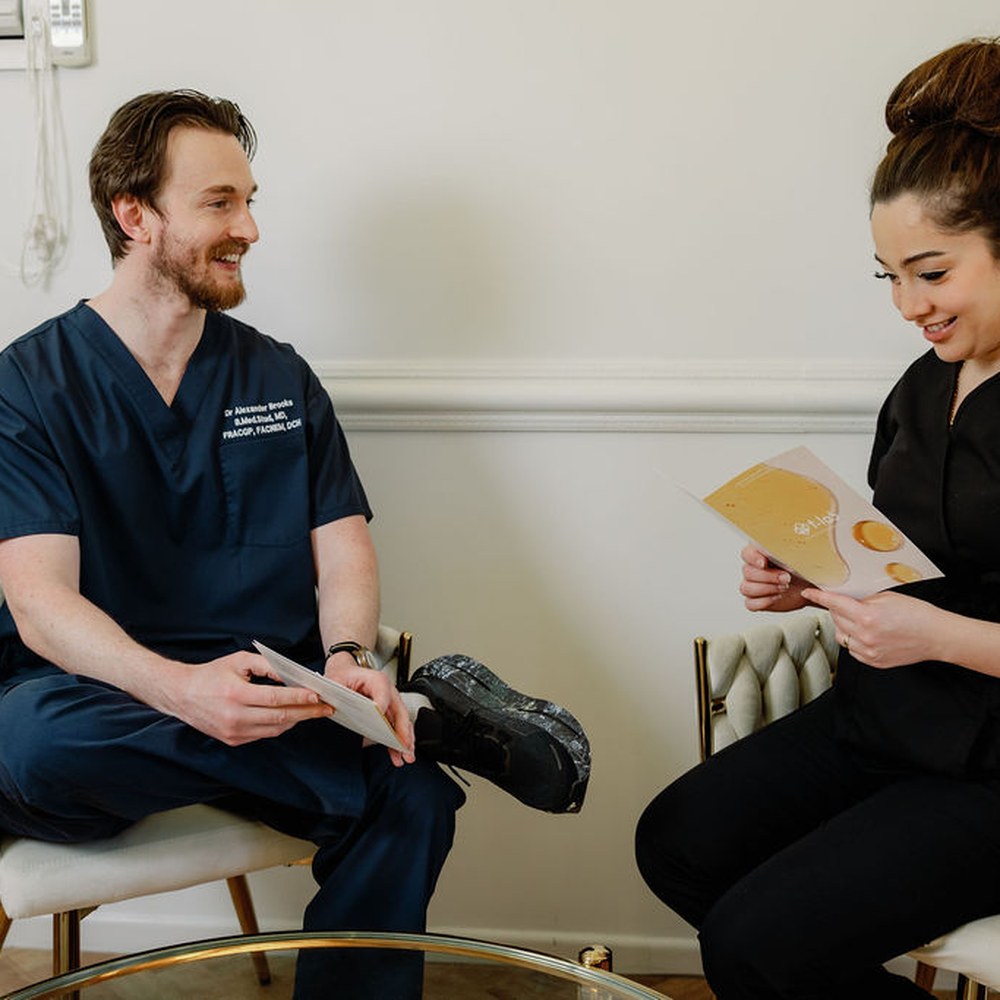
At your in-clinic consultation, Dr Alex or Dr Ranadi personally examines your scalp and hair. This is a proper clinical assessment, not a sales pitch. Your doctor will evaluate:
We use advanced diagnostic imaging to map your donor area in detail — measuring follicular density, hair calibre and graft availability with precision rather than estimation. This data-driven approach means your treatment plan is based on what your scalp can actually provide, not guesswork.
Honest assessment of suitability. Not everyone is a good candidate for a hair transplant. If a transplant is not the right option for you — because of insufficient donor supply, active hair loss that should be stabilised first, or unrealistic expectations of what can be achieved — your doctor will tell you plainly. They may suggest non-surgical alternatives instead, or recommend waiting.
If your doctor determines that a transplant is appropriate, you will receive a detailed treatment plan. This is not a vague estimate — it is an itemised document that covers:
There is no deposit required on the day. We encourage you to take the plan home, think it over, discuss it with your partner or family if you want to, and come back to us when you are ready — whether that is next week or next year.
If you have questions after your consultation, you can call or email us. Your doctor is available to clarify anything in the plan.
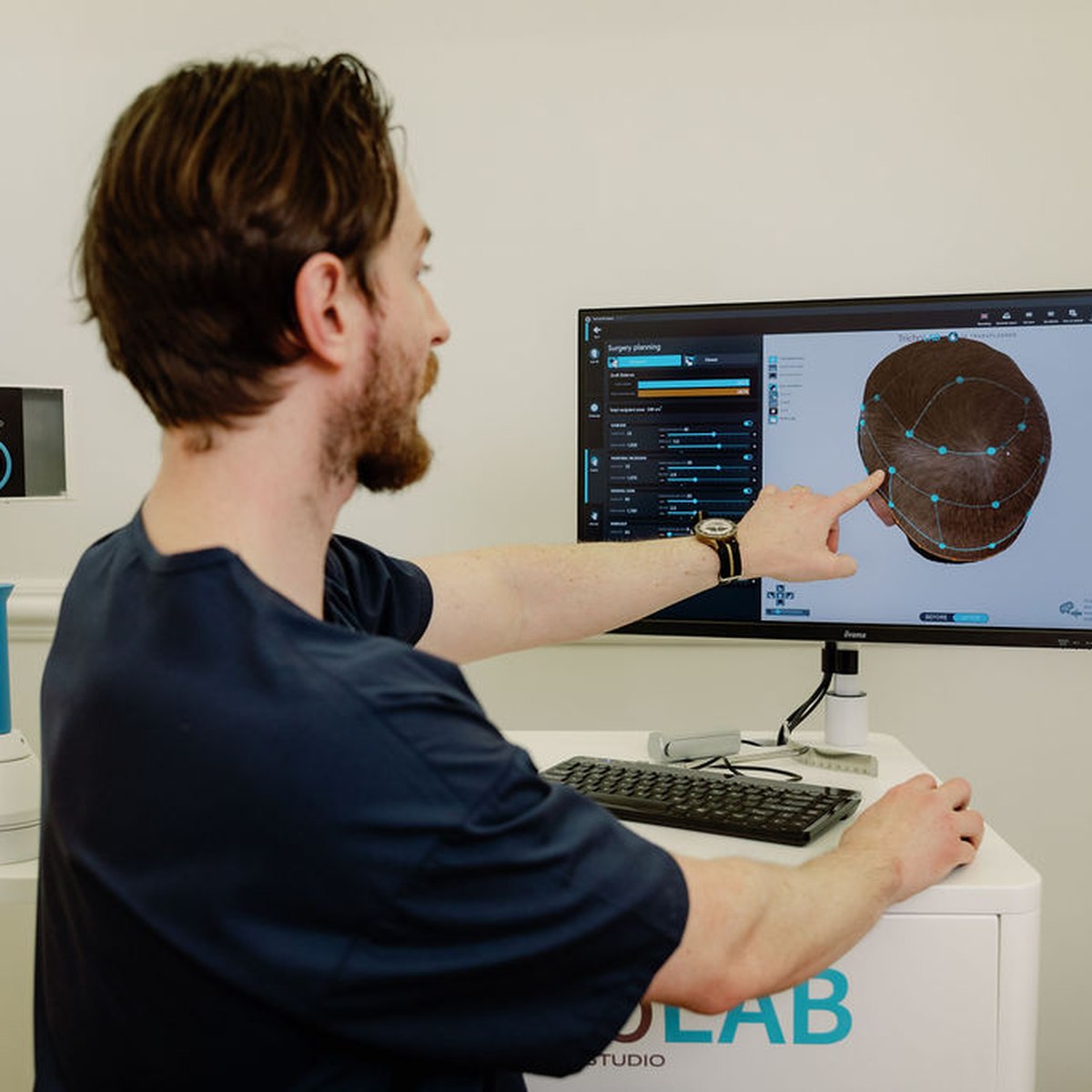
Once you have decided to go ahead, we will book your procedure date and send you a detailed preparation guide. Proper preparation helps ensure the best conditions for your procedure and recovery.
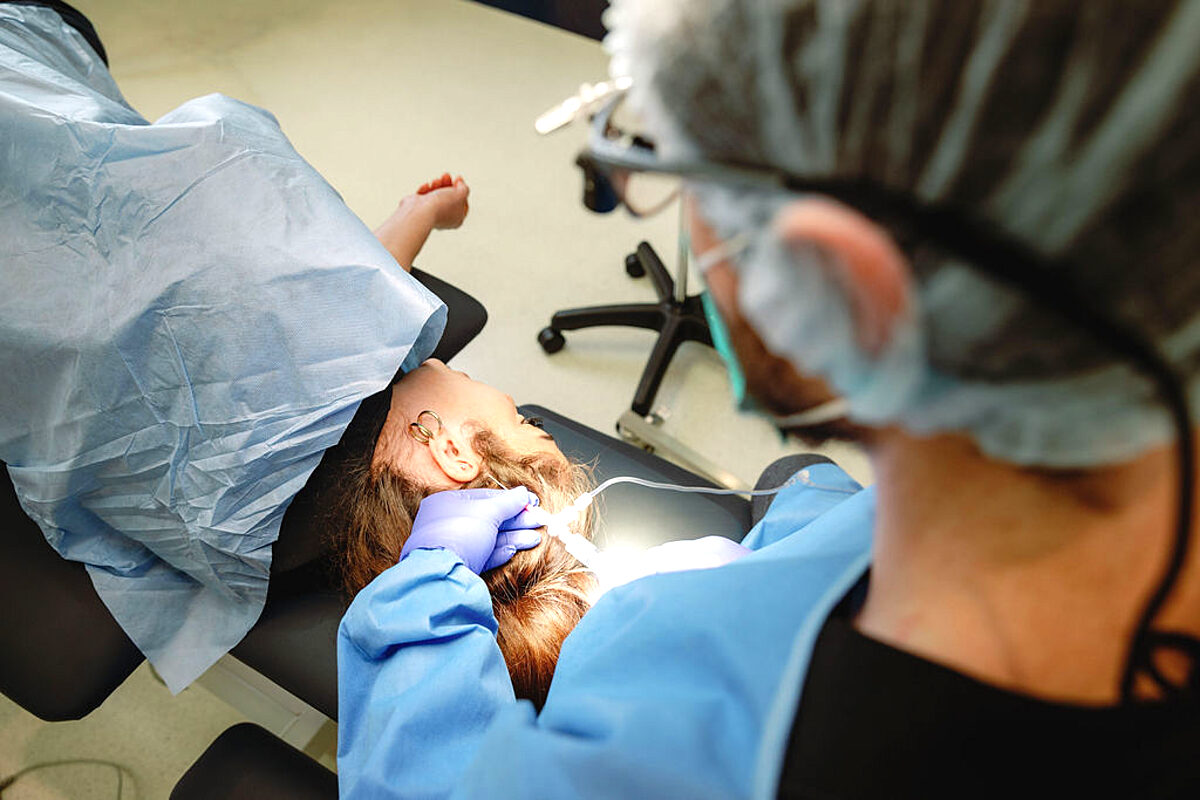
You arrive at our Bundall clinic in the morning. Your doctor will greet you, review the plan one final time and mark the areas to be treated. This is your last opportunity to discuss any adjustments to hairline design or coverage priorities.
The procedure is performed entirely under local anaesthetic. Your doctor administers this carefully to numb both the donor area and the recipient area. Most people describe it as brief discomfort that passes quickly. Once the anaesthetic takes effect, you will not feel pain during the procedure.
Your doctor personally extracts individual follicular units from the donor area — typically the back and sides of the scalp. Each graft is removed through a tiny circular incision, leaving no linear scar. The grafts are carefully handled and stored in a holding solution to maintain viability.
Your doctor creates the recipient sites — tiny incisions in the thinning or balding area, placed at the correct angle, depth and direction to match your natural hair growth pattern. This step is critical: it determines how natural the result will look.
The extracted grafts are then placed into these sites one by one. Your doctor and the clinical team work methodically to ensure every graft is positioned for the most natural appearance and best chance of survival.
Most procedures are completed in a single day. Depending on the number of grafts, you can expect to be at the clinic for approximately six to ten hours, with breaks throughout. You will go home that evening with a detailed aftercare pack, written instructions and direct contact details for the clinic if you have any concerns.
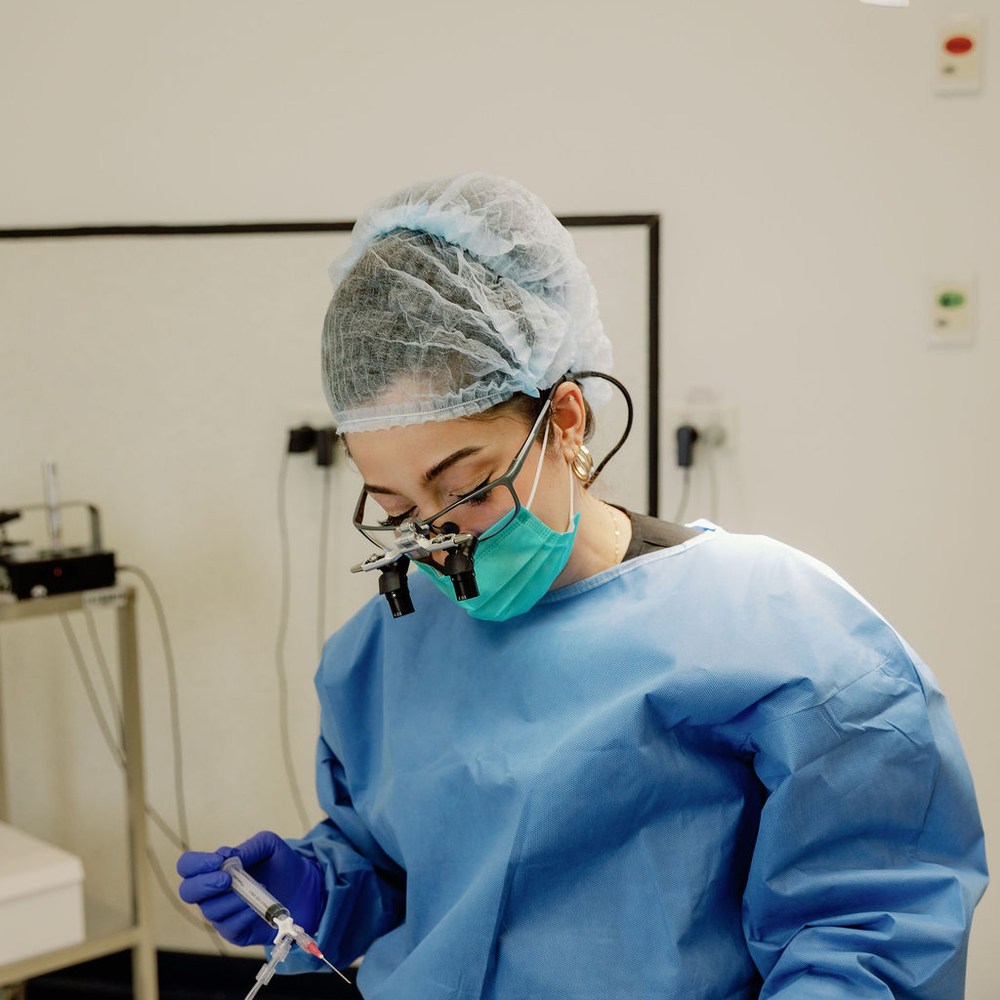
The first week is the most important period for graft survival. Your aftercare instructions are designed to protect the newly placed grafts while they anchor into the scalp. Here is what to expect:
Some swelling around the forehead and temples is common and typically peaks on day two or three before subsiding. Mild soreness in the donor area is normal and manageable with the pain relief your doctor prescribes. You will sleep with your head elevated for the first few nights.
Small scabs form around each transplanted graft — this is a normal part of healing. You will begin a gentle hair-washing routine as directed by your doctor to keep the area clean. The donor area begins to feel more comfortable. Most people return to desk-based work within three to five days.
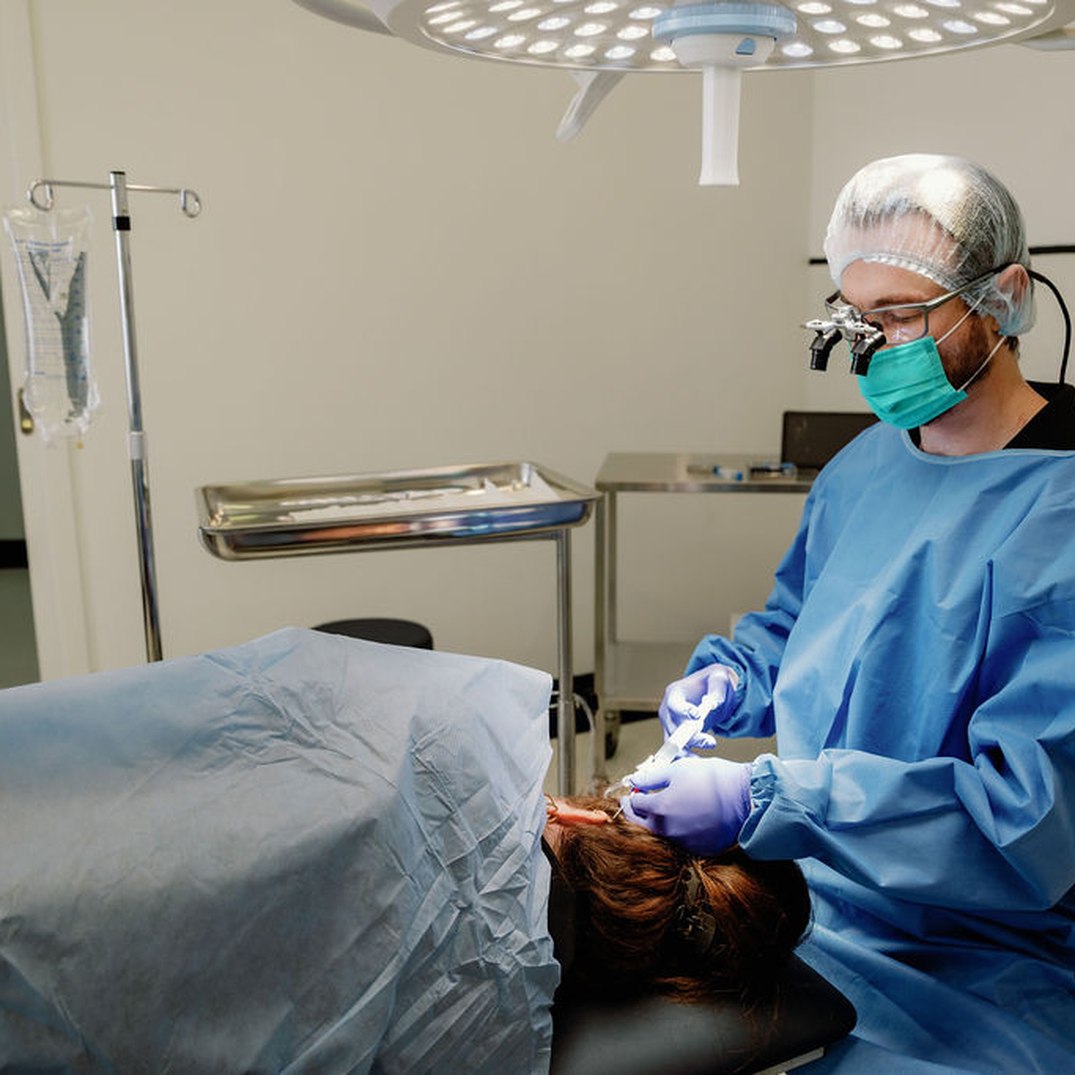
We schedule a follow-up appointment within the first week so your doctor can examine the grafts and donor area, ensure healing is progressing normally and answer any questions. This is a hands-on review, not a phone call — your doctor looks at your scalp in person.
Hair transplant results do not appear overnight. The growth cycle is gradual, and understanding what is normal at each stage helps you stay patient and confident in the process.
The transplanted hairs fall out. This is completely normal and expected — it is the hair shaft shedding, not the follicle. The follicles remain anchored beneath the surface and will produce new hair. The donor area continues to heal and any redness fades.
During this time, very little appears to be happening on the surface. Beneath the skin, the transplanted follicles are establishing their blood supply and entering a new growth cycle. Some people notice fine, wispy hairs beginning to emerge towards the end of this period.
This is when you start to see real change. New hairs emerge and begin to thicken. Growth is gradual and may be uneven at first — some areas respond more quickly than others. The new hair may initially be finer or lighter in colour before maturing.
The majority of transplanted hairs are now growing and continuing to thicken. You will notice a meaningful difference in coverage and density. The hair can be styled normally. This is the period where most people feel genuinely pleased with the progress.
The transplanted hair reaches its full thickness and density. The final result is generally visible from around twelve months, though some continued improvement in texture and density can occur up to eighteen months post-procedure.
Growth timelines vary between individuals. Your doctor will discuss realistic expectations for your specific case during your consultation.
Your relationship with the clinic does not end when you leave on procedure day. We schedule regular follow-up reviews so your doctor can monitor your progress, check that everything is healing and growing as expected, and address any concerns.
Typical follow-up appointments include:
Between scheduled appointments, you can contact the clinic at any time. If something does not look right or you are unsure whether what you are experiencing is normal, pick up the phone. We would rather hear from you early than have you worry unnecessarily.
If you are managing ongoing hair loss in non-transplanted areas, your doctor may recommend complementary treatments such as medical hair-loss therapy or PRP to support and protect your existing hair alongside your transplant result.
Setting yourself up for the best outcome
A hair transplant is a partnership between you and your doctor. The procedure itself is only one part of the equation — what you do before and after matters too.
An AHPRA-registered doctor who personally performs the procedure brings medical judgement to every graft. That matters for hairline design, donor management and handling the unexpected.
Understanding what a single procedure can achieve — and what it cannot — is essential. Your doctor will be straightforward about the likely outcome based on your donor supply and pattern of loss.
The instructions you receive after your procedure are there to protect your grafts and support healing. Following them carefully — especially in the first two weeks — directly influences how well the transplanted hair survives and grows.
Hair growth is gradual. The shedding phase can be unsettling if you are not expecting it. Understanding the timeline — and trusting the process — helps you stay confident as your result develops over twelve to eighteen months.
A transplant moves hair but does not stop the underlying process of hair loss in other areas. Your doctor may recommend complementary treatments to protect your existing hair and maintain your overall result long term.
Attending your follow-up reviews and contacting the clinic if you have questions or concerns helps your doctor monitor your progress and address anything early.
Ready to start?
The first step is a conversation. Come in and meet your doctor, have your hair and scalp assessed, and get a clear, honest view of what is possible — with no obligation to proceed.
Book a consultation86 Ashmore Rd, Bundall · Mon–Fri 9 am – 5 pm