Non-Surgical Hair Restoration on the Gold Coast
Surgery is not always the answer. Sometimes the right recommendation is PRP therapy, medical management, or simply monitoring your hair loss before making any decision at all.
Surgery is not always the answer. Sometimes the right recommendation is PRP therapy, medical management, or simply monitoring your hair loss before making any decision at all.
A clinic that will tell you the truth
We are a hair transplant clinic, and we believe in the procedure we offer. But we also believe that a responsible clinic should tell you when surgery is not your best option — even if that means recommending something less expensive, or suggesting you wait.
Hair loss is not a one-size-fits-all problem. Some people need a transplant. Others would benefit more from medical treatment that slows or stops further loss. And for many, a combination of both delivers the strongest long-term outcome.
At your consultation, Dr Alex or Dr Ranadi will assess your situation honestly and recommend whatever genuinely makes sense for you — whether that involves a procedure, medication, PRP therapy, or simply coming back in six months to see how things have progressed.
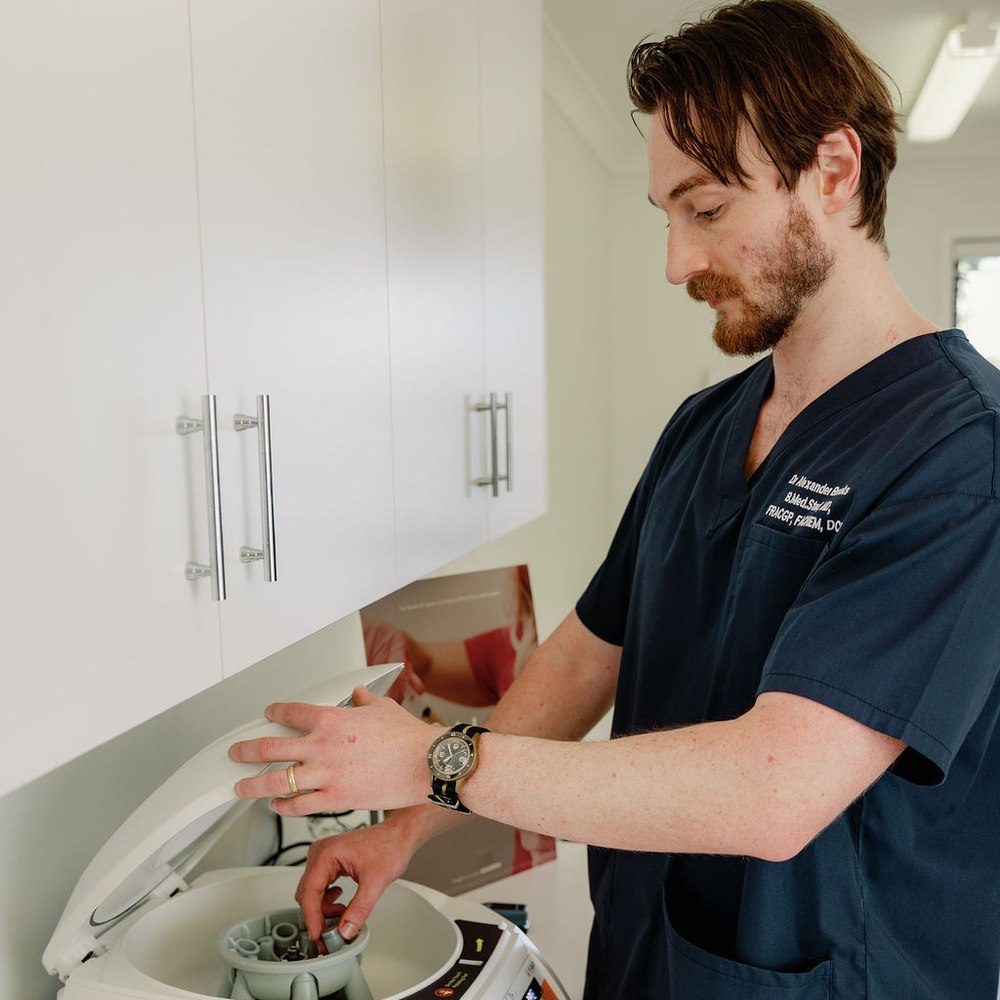
PRP hair therapy
PRP uses your own blood to deliver concentrated growth factors directly to the scalp. It is one of the most widely studied non-surgical treatments for hair thinning.
A small amount of blood is drawn from your arm — similar to a routine blood test. That sample is processed in a centrifuge to separate the plasma, which contains a high concentration of platelets and growth factors. The resulting platelet-rich plasma is then injected into the areas of the scalp where hair is thinning.
The growth factors in PRP are thought to stimulate the hair follicles, potentially extending the active growth phase and improving the thickness of existing hairs. It does not create new follicles where none exist, but it may help strengthen and preserve the hair you still have.
PRP is derived from your own blood. There is no synthetic material involved, which means the risk of an allergic reaction is very low.
A typical session takes around 30 to 45 minutes. Most people return to their day immediately afterwards. Some mild scalp tenderness is common and usually resolves within a day or two.
At our clinic, PRP is prepared and injected by one of our AHPRA-registered doctors. The treatment is not delegated to a technician or beauty therapist.
PRP therapy is a medical treatment. Individual responses vary. Suitability is assessed at a consultation with your doctor.
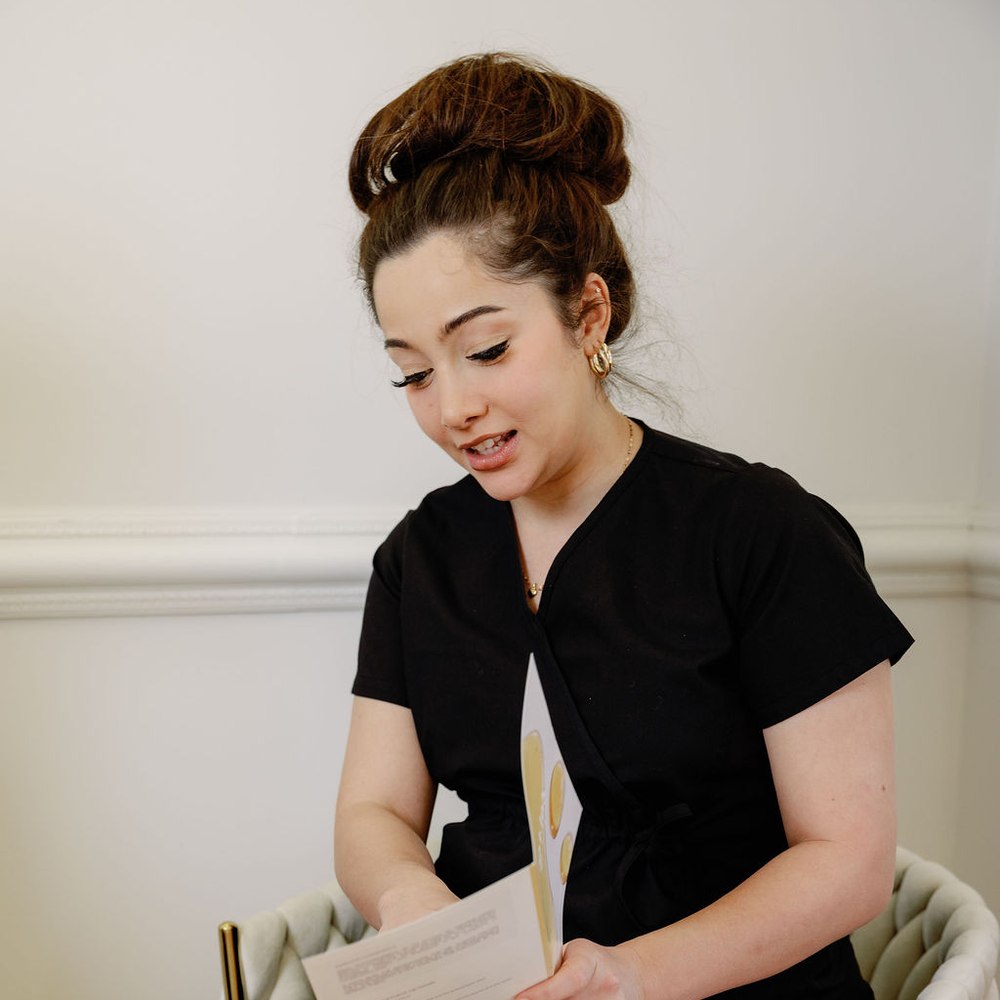
Who it suits
PRP is not a replacement for a hair transplant in areas where the follicles are already gone. It works on hair that is miniaturising — thinning and weakening — rather than hair that has disappeared entirely. Your doctor will be clear about what PRP can and cannot do for your particular pattern of loss.
Medical hair loss management
There are evidence-based medications that can slow, stop, or in some cases partially reverse pattern hair loss. The key is proper medical oversight.
Pattern hair loss is driven by hormonal and genetic factors. Certain prescription medications work by addressing the underlying hormonal mechanism, while others stimulate the follicles directly. Both approaches have a significant body of clinical evidence behind them.
Our doctors can assess whether medical treatment is appropriate for you, prescribe the relevant medication and monitor your response over time. This is not a set-and-forget exercise — proper medical management means regular check-ins, adjustments when needed, and honest conversations about whether the treatment is delivering what you need.
For some people, medication alone is enough. For others, it works best in combination with PRP therapy, a hair transplant, or both. Your doctor will explain all of the options and help you decide what makes sense given your specific situation, your goals, and your preferences.
Prescription medications carry potential side effects. These are discussed in full at your consultation before any treatment begins.

Stronger together
A transplant moves hair where it is needed. Non-surgical treatment helps protect the hair you already have. Used together, they address different parts of the same problem.
Starting medical treatment or PRP therapy before surgery can help stabilise ongoing hair loss, which gives your doctor a clearer picture of your long-term pattern and may mean fewer grafts are needed.
Transplanted hair is permanent, but the hair around it is still subject to the same genetic pattern that caused your original loss. Non-surgical treatment can help slow further thinning so your result remains balanced over time.
Think of it this way: a transplant restores density in areas that have already thinned beyond recovery. Non-surgical treatment defends the territory you still hold. One fills the gaps; the other prevents new ones from forming. Neither approach is complete without at least considering the other.
At your consultation, your doctor will discuss whether a combined plan makes sense for you, or whether one approach on its own is the better fit.
Making the right choice
There is no universal answer. It depends on what is happening with your hair, how far it has progressed, and what you are hoping to achieve.
The only way to know for certain is a proper clinical assessment. Our doctors will examine your scalp, evaluate your donor supply, and give you a straightforward recommendation.
Protecting your investment
The hair that is transplanted during an FUE procedure is taken from areas genetically resistant to pattern hair loss, which is why transplanted hair is considered permanent. However, the native hair surrounding your transplanted grafts does not share that resistance.
Without ongoing support, progressive thinning of your original hair can gradually change the overall appearance of your result — not because the transplanted hair has failed, but because the hair around it has continued to thin.
This is where non-surgical treatment plays a valuable long-term role. PRP therapy and medical management can help slow further loss in untreated areas, preserving the natural-looking density that your transplant was designed to create.
Your doctor will discuss a maintenance plan at your post-procedure follow-ups, tailored to how your hair is responding and what ongoing care makes sense.

Common questions
A typical initial course involves several sessions spaced a few weeks apart, followed by maintenance sessions at longer intervals. The exact schedule depends on your hair loss pattern and how you respond to treatment. Your doctor will outline a recommended plan at your consultation.
PRP works on follicles that are still present but weakened or miniaturised. In areas where the follicles have been lost entirely, PRP cannot create new growth. A transplant is the option for those areas. Your doctor will be upfront about what PRP can realistically achieve for you.
All prescription medications carry the potential for side effects. Your doctor will explain these in detail before prescribing anything, so you can make an informed decision. Ongoing monitoring allows for adjustments if needed.
No. Many people benefit from both. A transplant addresses areas where hair has been lost, while non-surgical treatment helps preserve the hair you still have. Your doctor will advise whether a combined approach makes sense for your situation.
Both PRP and medical management require time to show an effect. Changes are typically gradual and may take several months to become noticeable. Your doctor will set realistic expectations at your consultation and monitor your progress at regular intervals.
Pattern hair loss is progressive by nature. Non-surgical treatment generally needs to be ongoing to maintain its benefit. If you stop, the underlying process resumes. Your doctor will discuss the long-term commitment involved so there are no surprises.
Find out what is right for you
Whether you are exploring non-surgical options, considering a transplant, or simply want a doctor to look at your hair and tell you what is actually going on — the first step is a conversation. No pressure, no obligation.
Book a consultation86 Ashmore Rd, Bundall · Mon–Fri 9 am – 5 pm