FUE Hair Transplant on the Gold Coast
Follicular Unit Extraction — a minimally invasive technique where your doctor personally extracts and places every graft, right here at our Bundall clinic.
Follicular Unit Extraction — a minimally invasive technique where your doctor personally extracts and places every graft, right here at our Bundall clinic.
Understanding the technique
FUE is a method of moving hair from areas where it grows thickly — usually the back and sides of the scalp — to areas that are thinning or bald. Rather than removing a strip of skin (as older techniques did), individual follicular units are extracted one by one through tiny circular micro-punches, typically less than a millimetre across.
Those follicles are then placed into small recipient sites created by the doctor in the thinning area, following the natural direction, angle and density of your existing hair. The goal is hair that looks and behaves like it always grew there.
Because there is no scalpel incision and no stitches, FUE generally means a faster recovery, less discomfort and no linear scar in the donor area.
Why it matters who holds the instrument
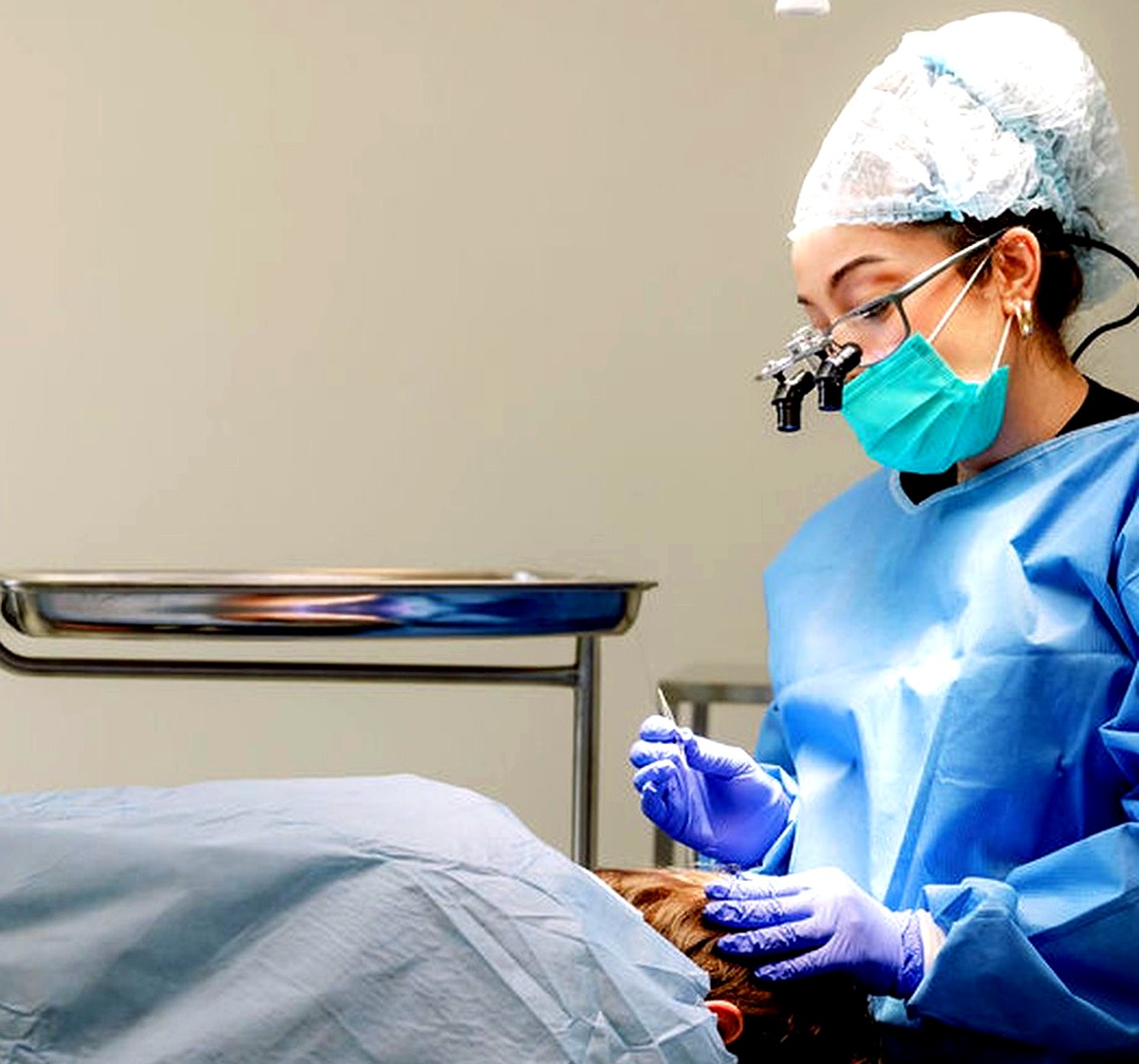
At some clinics, a doctor creates the plan but a technician performs the extraction and placement. At Gold Coast Hair Transplant, your AHPRA-registered doctor does both.
Each extraction and placement is a medical decision — the angle, the depth, the spacing. When a doctor makes those decisions in real time rather than delegating them, the result reflects medical training and clinical judgement.
AHPRA registration means your doctor is qualified, insured and held to the standards of the Medical Board of Australia. That accountability does not extend to unregistered technicians.
What to expect
Dr Alex or Dr Ranadi examines your scalp, assesses the quality and density of your donor area and discusses what you are hoping to achieve. Using objective scalp-mapping technology, they determine how many grafts are available and how they should be distributed for the most natural result.
You receive a clear, itemised plan and a fixed quote. There is no obligation and no pressure to proceed on the spot.
Procedures take place at our Bundall clinic under local anaesthetic. Your doctor and the clinical team will be with you throughout. A typical procedure follows this sequence:
Most procedures are completed in a single day. You go home that evening with clear aftercare instructions.
The first few days involve some tenderness and mild swelling, which settles quickly. Tiny scabs form in the recipient area and typically fall away within seven to ten days. Most people return to everyday activities within two to three days, though heavy exercise and direct sun should be avoided initially.
Transplanted hairs usually shed within the first few weeks — this is normal and expected. New growth typically begins around three to four months, with noticeable density from about six months. The full result is generally visible from twelve months, sometimes continuing to improve up to eighteen months.
Your doctor schedules follow-up reviews to monitor your progress.
Honest assessment
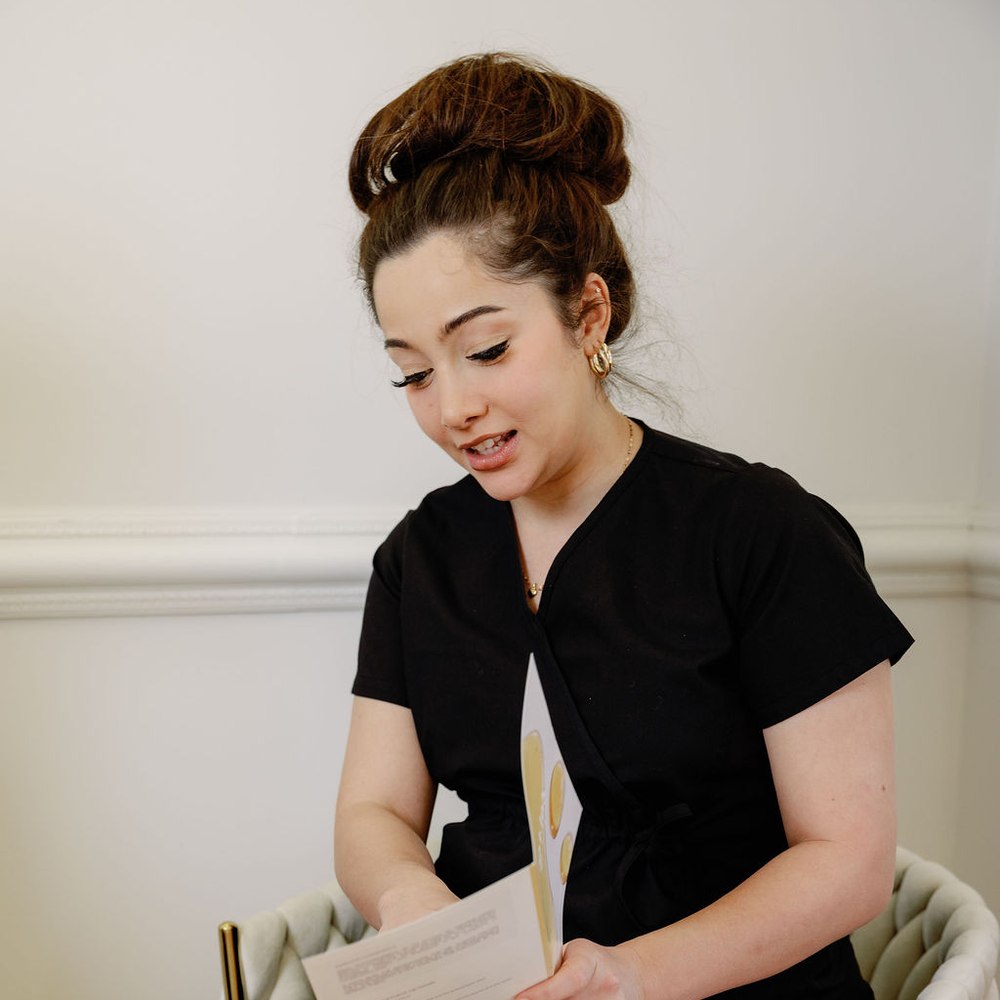
Not everyone is a good candidate for a hair transplant, and we would rather tell you that than take your money for a procedure that will not give you a worthwhile result.
Suitability depends on several factors, including the density and quality of your donor hair, the pattern and stage of your hair loss, your age, your scalp health and your overall medical history. Some people are better suited to non-surgical options, and some benefit from a combination approach.
At your consultation, Dr Alex or Dr Ranadi will give you an honest assessment — including if a transplant is not the right option for you.
Book a consultationHair transplantation is classified as a higher-risk non-surgical cosmetic procedure. Like any medical procedure, it carries risks. These may include infection, scarring, poor graft survival, temporary numbness in the donor or recipient area, and results that do not meet expectations. Individual outcomes vary and cannot be guaranteed.
These risks are discussed in full at your consultation. We will not proceed unless you have a clear understanding of both the potential benefits and the limitations.
Suitability for hair transplantation is determined at a face-to-face consultation with an AHPRA-registered medical practitioner. This page is for general information only and does not constitute medical advice.
Next step
Book a no-obligation consultation at our Bundall clinic. Your doctor will assess your hair, explain what is achievable and give you a clear plan and quote to take away.